Richard E. Hoekstra, DVM


Pet Health and
Education
Animal House Veterinary Services places a specific emphasis on client education and personal professional service to each client and patient. Treating medical ailments often begins with educating owners and listening to their concerns. Our doctor and staff spend as much time as necessary taking a thorough history and getting to the root of the problem. This, in conjunction with high-quality laboratory and diagnostic tools, provides the best opportunity for proper diagnosis and treatment.
Puppy and Kitten Wellness
I'm a subtitle
Click here to edit me
Congratulations on your new baby! We offer wellness programs to help your new pet start healthy. Our programs provide complete care from birth through adulthood, usually over three to four visits, and include:
-
Full physical exam
-
Age and lifestyle-appropriate vaccinations
-
Heartworm and parasite prevention
-
Behavioral guidance
-
Nutritional advice
-
Breed and species-specific care (e.g., bloat, heart issues, skin, eyes, or orthopedic concerns)
Puppies and kittens require a three to four vaccination schedule followed by annual boosters.


Intestinal Parasite Treatment
Your new puppy or kitten will also be tested and treated for intestinal parasites, including roundworms, hookworms, whipworms, tapeworms, coccidia, and giardia.
-
Roundworms are common and can cause vomiting or diarrhea.
-
Tapeworms are often passed when a pet ingests an infected flea. They can sometimes be seen in your pet’s stool and may look like small grains of rice.
-
Hookworms can be transmitted to humans through the skin. If someone walks barefoot on contaminated soil, it can cause a rash where the larvae enter the skin.
Fecal testing helps us provide the right treatment.
Spaying & Neutering
We recommend spaying female puppies and kittens before their first heat, usually around 5–6 months, to prevent pregnancy and reduce the risk of breast cancer and uterine infections. Exceptions may apply for females with an encrypted vulva, and our veterinarian will help determine the best timing. Male puppies and kittens should be neutered between 2–5 months to prevent unwanted behaviors (like aggression, roaming or urine spraying), testicular cancer, and prostate issues.
Adult and Senior Wellness
The age when a pet is considered “senior” depends on breed, size, and lifestyle. Generally, dogs are seniors at 7 years and cats at 8 years. Senior wellness exams are important because pets can hide health issues, and early detection often makes treatment easier. These exams help monitor conditions like arthritis, mental alertness, activity level, vision changes, and pain.
We recommend an annual diagnostic workup for senior pets, including:
-
Blood count and chemistry panel
-
Urinalysis and fecal testing
-
Chest and abdominal X-rays
-
Electrocardiogram (ECG)
-
Blood pressure check
The wellness exam also allows us to discuss vaccinations, nutrition, lifestyle changes, and behavior adjustments to keep your senior pet healthy and comfortable.

Approved heartworm medications work by killing the immature heartworm larvae, including those recently deposited by mosquitoes. After about 51 days, larvae can develop into juvenile adults that preventives cannot kill. This is why it’s crucial to give heartworm prevention monthly for oral or topical products. Late doses can allow larvae to mature, reducing the effectiveness of prevention.
-
Cats: Testing is available via an outside lab. Topical preventatives are recommended monthly.
-
Dogs: All dogs should be tested yearly, usually during routine visits.
-
Puppies under 7 months: Start prevention without testing; testing begins at 6 months of age.
-
Adult dogs should be tested yearly.

Please refer to www.heartwormsociety.org for more information.
Flea, Tick,
& Heartworm
Prevention
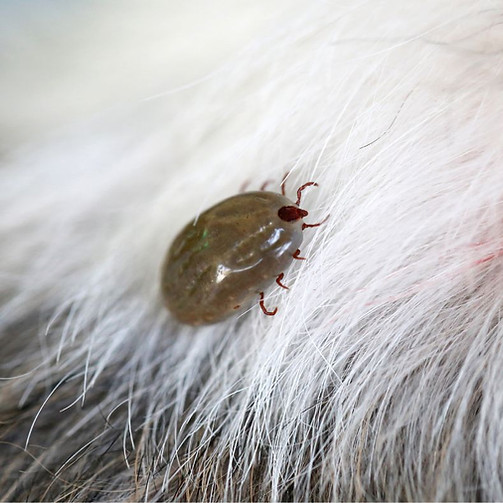
Flea, tick, and heartworm prevention are important parts of pet care. These parasites feed on blood and can cause allergic reactions, infections, and serious illnesses. While more common in warmer months, prevention is important year-round. We offer a variety of preventive products and can help you choose the best option for your pet.
Signs of flea infestation include:
-
Flea droppings (dark specks) in the fur
-
Flea eggs (white specks) in the fur
-
Excessive licking or scratching
-
Scabs or hot spots
Signs of tick-borne diseases, such as Lyme disease, rocky mountain spotted fever, and ehrlichiosis, may include:
-
Loss of appetite
-
Fever
-
Swollen lymph nodes
-
Joint swelling or pain

Signs of heartworm disease:
-
Dogs: Early stages may show no symptoms. Later signs include mild cough, exercise intolerance, fatigue, decreased appetite, and weight loss. Severe infections can cause heart failure or life-threatening blockages (Caval syndrome), with labored breathing, pale gums, and dark urine. Treatment consists of adulticide injections and can be discussed with our veterinarian.
-
Cats: Coughing, asthma-like attacks, vomiting, loss of appetite, or weight loss. Sometimes cats may faint, have seizures, accumulate fluid in the abdomen, or collapse suddenly. There is no approved adulticide treatment in cats.
Nutritional Counseling
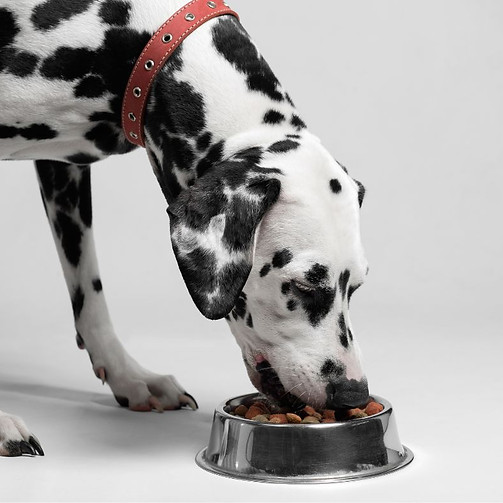
Animal House Veterinary Services offers nutritional consultations for dogs and cats. Proper nutrition, along with regular wellness exams, helps your pet stay healthy and perform at their best. Good nutrition supports:
-
Digestion and elimination
-
Immunity and disease prevention
-
Muscle tone and body condition
-
Skin and coat health
-
Dental health
Choosing the right food can be overwhelming, with many diets and factors to consider, including age, allergies, breed, size, lifestyle, medical conditions, and pregnancy. We help you select the best plan for your pet’s health. We carry prescription and non-prescription foods and can provide guidance on:
-
Food rotation and switching diets
-
Dietary supplements
-
Optimal feeding (amount, timing, and type)
-
Feeding strategies for multiple pets with different needs